The Challenge of Losing and Autism
Losing games can be a difficult experience for any child, but for children with autism spectrum disorder (ASD), these challenges can be more pronounced. Difficulties with emotional regulation, rigid thinking, and perspective-taking often make it harder for them to cope with losing gracefully. Teaching children how to manage disappointment and exhibit good sportsmanship is not only crucial for fostering friendships but also an important part of behavioral therapy interventions such as Applied Behavior Analysis (ABA). This article explores effective strategies and the role of ABA therapy in helping children with autism learn to handle losing in social settings.
Understanding ABA Therapy: A Foundation for Teaching Coping Skills
What is Applied Behavior Analysis (ABA) therapy and how does it help individuals with autism?
Applied Behavior Analysis (ABA) therapy is a scientifically supported approach focused on teaching positive behaviors and reducing harmful ones in children with autism. It uses techniques like positive reinforcement and structured interventions to improve skills in communication, socialization, and self-regulation. ABA helps children learn how to cope with challenges, such as losing games, by teaching them appropriate emotional responses and social skills.
Who typically provides ABA therapy and what qualifications do they have?
ABA therapy is delivered by professionals such as Board Certified Behavior Analysts (BCBAs) and certified therapy assistants. These providers undergo extensive education in psychology or education, complete specialized training in ABA methods, and must pass certification exams. Their expertise allows them to create individualized programs suited to each child's needs.
What are the common techniques used in ABA therapy for autism?
Techniques commonly used include:
- Positive reinforcement: Rewarding desirable behaviors, such as saying "good game," to encourage them.
- Modeling and prompting: Demonstrating appropriate reactions and using cues to guide children.
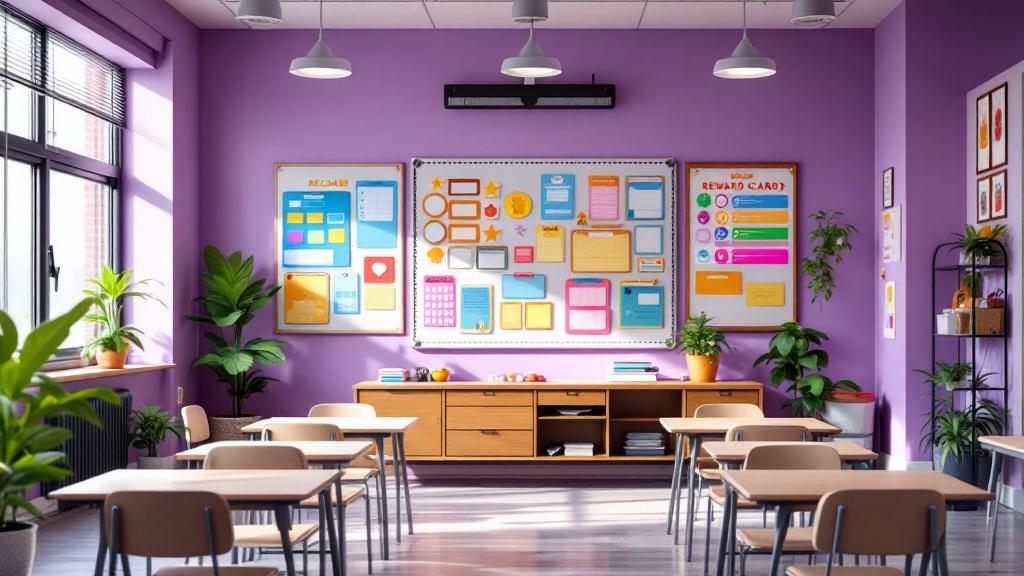
- Visual aids: Tools like picture boards and Social Stories™ that explain social rules around winning and losing.
- Behavior chaining and task analysis: Breaking down complex social skills into smaller, teachable steps.
- Use of timers and warning signals: Helping children prepare for transitions and reduce frustration.
These methods support children in understanding social expectations and managing emotions.
How is the effectiveness of ABA therapy measured?
Therapy progress is tracked by observing behavioral changes such as improved emotional regulation during games and increased use of sportsmanship language. Data on frequency and quality of social interactions help determine success. Input from parents and therapists complements data, ensuring goals are met and strategies adjusted as needed.
| Aspect | Description | How it Supports Coping with Losing |
|---|---|---|
| Positive Reinforcement | Rewarding good behaviors like saying "good game" | Encourages positive reactions to losing |
| Modeling & Visual Aids | Demonstrating appropriate behavior and using Social Stories | Clarifies social norms and proper emotional responses |
| Prompting & Prompt Fading | Helping initiate behaviors and gradually fostering independence | Supports learning and internalizing coping skills |
| Timers & Warning Signals | Preparing children for transitions and changes | Reduces tantrums and frustration during game transitions |
Emotional Challenges Children with Autism Face When Losing Games
How Does Emotional Dysregulation Affect Children with Autism During Losing?
Children with autism spectrum disorder (ASD) often struggle with regulating their emotions, especially in situations involving loss. Losing a game can trigger intense feelings that result in emotional outbursts or tantrums. These difficulties stem from challenges in managing frustration and disappointment, making the experience more overwhelming compared to their neurotypical peers.
What Role Do Rigid Thinking and Perfectionism Play?
Many children with autism exhibit rigid thinking patterns and a tendency toward perfectionism. This makes it harder for them to accept not being the best or losing, as they may see the outcome in black-and-white terms—winning is success, losing is failure. Such thinking can exacerbate negative emotional responses and resistance to accepting loss gracefully.
How Does Theory of Mind Influence Their Understanding of Losing?
Theory of Mind—the ability to understand others’ mental states—is often impaired in children with autism. This reduces their awareness of social conventions, like fairness or the expected behaviors of good sportsmanship. Without this understanding, children may not fully grasp why saying "good game" or "congratulations" is important, which complicates their social responses when they lose.
Why Does Losing Trigger Emotional Outbursts?
The combination of impaired emotional regulation, rigid thought patterns, and difficulties in perspective-taking leads to heightened stress when faced with losing. For children with ASD, the act of losing can feel like a significant setback that challenges their need for order and competence. Additionally, many children with autism have limited experience with losing due to overprotection, further intensifying their emotional reactions.
By recognizing these challenges, caregivers and educators can better support children with autism in developing coping strategies to handle losing with greater resilience and sportsmanship.
Teaching Good Sportsmanship: Language and Behavioral Strategies
Using Positive Sportsmanship Language Like 'Good Game'
Teaching children to use positive sportsmanship language, such as saying "good game" or "congratulations," plays an important role in helping them maintain friendships. For children with autism, expressing these phrases can be challenging due to difficulties with social interaction and emotion regulation. Encouraging this language reinforces a friendly environment and fosters social connections.
Modeling and Visual Prompts to Teach Reactions to Losing
Because children with autism often struggle with handling loss and controlling emotional responses, introducing sportsmanship starts best in a one-on-one setting with non-important activities. Techniques like modeling appropriate reactions, using visual prompts, and providing praise or rewards support learning. Visual aids such as "First-then" boards or picture-based instructions help children anticipate what to expect and reduce frustration during transitions.
Role of Social Stories™ in Promoting Graciousness
Social Stories™ or Social Narratives are especially effective tools for illustrating concepts that winning isn't everything. They can provide clear examples of how to respond positively to losing, helping children internalize the idea of graciousness. This is particularly beneficial for children who experience rigidity in thinking and perfectionism, traits common in autism, making acceptance of not always being the best difficult.
Importance of Patience, Validation, and Calm Caregiver Responses
Children with autism may experience emotional outbursts when losing due to difficulty regulating upsetting emotions. Managing these moments with patience, understanding, and validation is crucial. Caregivers maintaining calmness can positively influence the child's emotional state and reduce behavioral breakdowns. Consistent reinforcement and review of sportsmanship expectations help generalize these social skills across various settings.
Practical ABA Techniques to Build Resilience and Manage Transitions
Encouragement to Persist Despite Losing
Encouraging children with autism to keep trying even after losing promotes resilience and perseverance. These traits are essential in behavioral interventions to help children handle challenges and setbacks without frustration.
Using Timers and Warning Signals to Prepare for Transitions
Timers and warning signals help children anticipate upcoming changes between activities. This preparation reduces tantrums and emotional outbursts by making transitions smoother and more predictable.
Visual Aids Like 'First-Then' Boards to Reduce Frustration
Visual supports, such as 'First-then' boards, provide clear instructions and routines through pictures. These aids help children understand what is expected, lowering anxiety and frustration during activities or changes.
Positive Reinforcement with Praise and Rewards
Reinforcing positive behaviors with verbal praise and tangible rewards increases the likelihood of desirable actions. Celebrating efforts and good sportsmanship motivates children to develop and maintain these skills.
Focusing on Positive Instructions Rather Than Negative
Guiding children by telling them what to do (e.g., "walk on the sidewalk") is more effective than instructing what to avoid (e.g., "don't run"). This approach helps clarify expectations and supports better behavior management.
Step-by-Step Approaches to Introducing Losing in Low-Stakes Settings
Starting with One-on-One Sessions
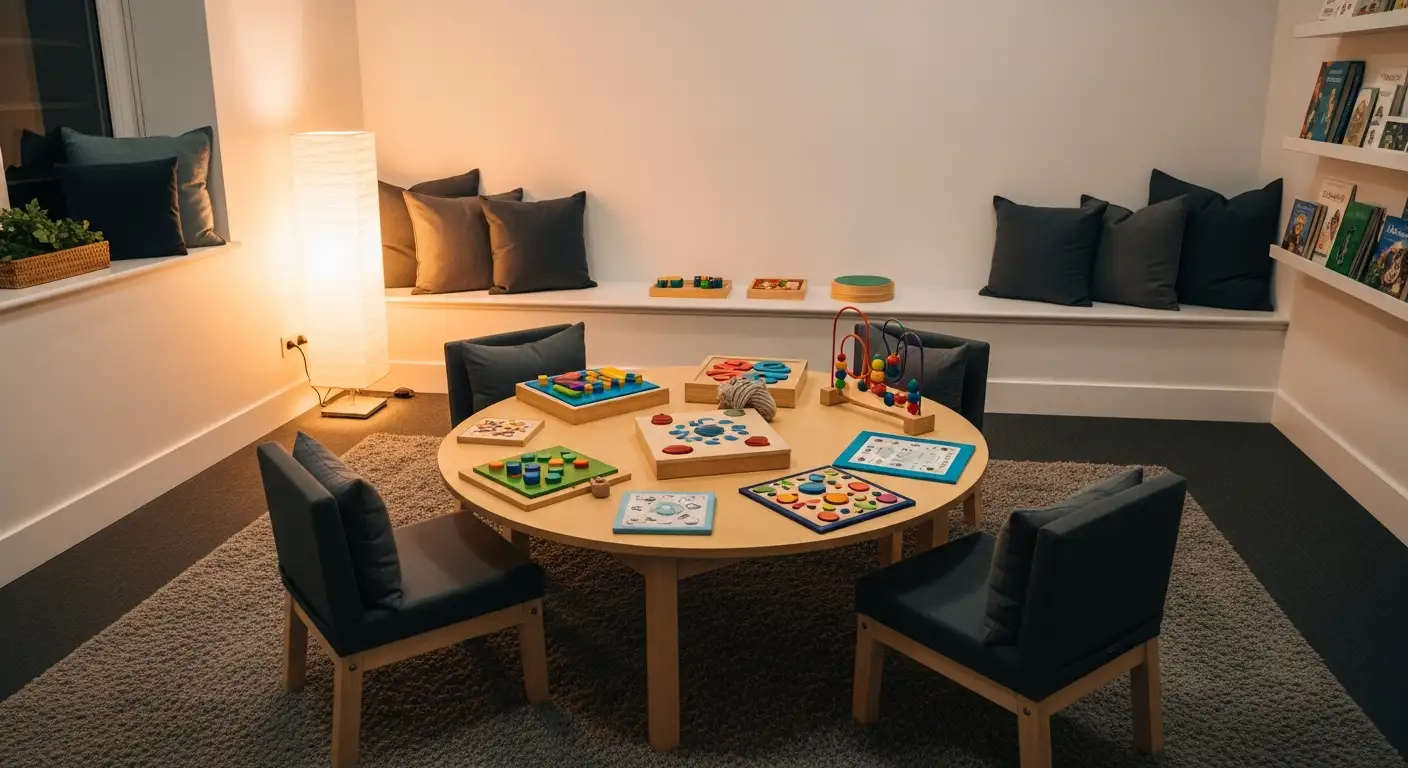
Teaching children with autism how to handle losing should begin in one-on-one settings. This personalized approach allows caregivers or therapists to closely model the behavior, use visual prompts, and provide immediate praise and rewards. It creates a safe space for the child to learn without the pressure of a group setting.
Using Non-Important or Low-Pressure Activities
Introduce losing through games or activities that have little at stake. Low-pressure tasks reduce anxiety and make it easier for children to practice gracious losing. Activities without significant consequences allow children to focus on managing emotions rather than worrying about the outcome.
Gradual Introduction of Competition
Once children feel comfortable losing in non-stressful scenarios, gradually increase the level of competition. This can include playing with peers or adding simple rewards. A slow build-up helps children with autism adjust to the social nuances of winning and losing without becoming overwhelmed.
Building Experience to Foster Graciousness
Many children with autism have limited experience with losing due to overprotection. Providing repeated, supportive experiences with losing helps develop graciousness and self-control. Using tools like Social Stories™ can illustrate positive ways to respond and reinforce the idea that winning isn't everything.
Consistent Reinforcement and Review
After teaching good sportsmanship skills, it’s important to consistently reinforce expectations across settings. Visual aids, praise, and reminders help children generalize gracious losing beyond initial lessons. Regular review ensures the skill becomes a natural part of the child’s social repertoire.
Integrating Sportsmanship and Emotional Regulation Skills Across Settings
Generalizing skills beyond therapy
Teaching children with autism sportsmanship and emotional regulation cannot be confined to therapy sessions alone. Consistent reinforcement and review across various environments—home, school, and social settings—are essential for children to generalize these skills. This approach ensures youngsters understand expectations around good sportsmanship like saying "good game" or offering congratulations, no matter where they are.
Using illustrated panels and social narratives in school or counseling
Visual aids such as illustrated panels and Social Stories™ serve as effective tools in schools or counseling sessions. These resources visually demonstrate scenarios involving winning and losing, helping children grasp social norms and manage emotions linked to these experiences. Social narratives also illustrate that winning isn't everything, promoting resilience and positive reactions to setbacks.
Importance of collaboration between therapists, parents, and educators
A collaborative approach among therapists, parents, and educators creates consistency in teaching and reinforcing sportsmanship and emotional regulation. Parents can maintain calm and use positive reinforcement at home, educators can apply visual prompts and routine-based supports in classrooms, while therapists guide behavior management strategies. This teamwork supports smoother transitions and reduces emotional outbursts in children.
Supporting children to develop long-term coping mechanisms
Encouraging children to persist despite losing fosters resilience and perseverance—traits vital for long-term success. Techniques such as using timers, warning signals, and 'First-then' boards prepare children for transitions, further reducing frustration. Additionally, emphasizing what the child should do (e.g., "take deep breaths"), rather than focusing on prohibitive commands, helps guide behavior more effectively. Over time, these strategies help children with autism develop coping skills that manage disappointment while maintaining friendships and social connections.
Supporting Children with Autism to Embrace Losing as Part of Growth
Teaching children with autism how to cope with losing games is a multifaceted endeavor that combines understanding their unique emotional challenges with structured, evidence-based ABA therapy techniques. Through patient modeling, the use of visual supports, positive reinforcement, and gradual exposure in low-stakes environments, children can develop key social skills such as sportsmanship, resilience, and emotional regulation. These skills not only help in managing the disappointment of losing but also promote healthier social interactions and friendships. Collaboration among therapists, parents, and educators is essential to reinforce these behaviors consistently across settings, ensuring the child gains life-long coping abilities that contribute to their overall development and well-being.
References
- Social Skills to Handle Losing
- Teaching Autistic* Children About Winning and Losing - Blog
- Tips that improved my autistic child's behavior
- Teaching these social skills to kids with ASD – illustrated ...
- ABA Techniques: Strategies for Behavior Analysts - GSEP Blog
- ABA Therapy Examples, Definition & Techniques
- Applied Behavior Analysis (ABA)
- A Comprehensive Guide to ABA Therapist Requirements
- Applied Behavior Analysis (ABA)
- Applied Behavior Analysis (ABA)